
Persistent tiredness is the most common frustration we hear from oxygen therapy users — and much of it is addressable. Here are the six changes our customers report the biggest gains from. As always, discuss changes with your physician.
1. Use your oxygen as prescribed — all of it
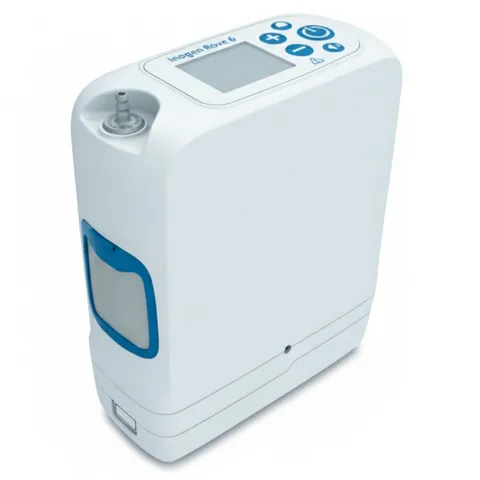
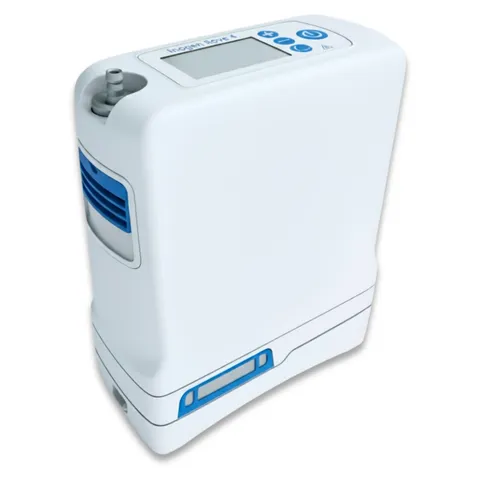
The single biggest energy leak is under-use: skipping hours because the equipment feels inconvenient. Low blood oxygen makes every organ work harder, and fatigue is the bill. If inconvenience is the barrier, that's an equipment problem with an equipment solution — lighter units, longer batteries, better carry options.
2. Fix your sleep first
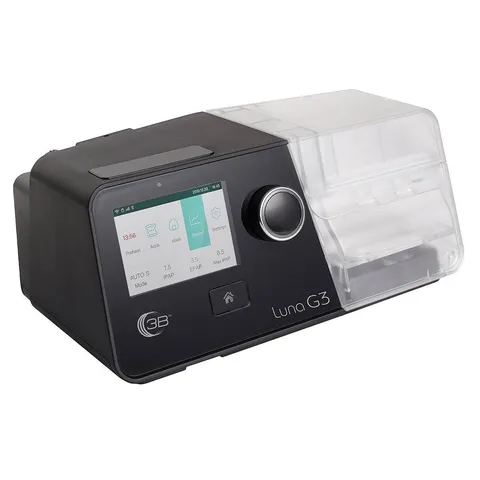
Overnight desaturation quietly wrecks daytime energy. If you wake unrefreshed with morning headaches, ask about overnight oximetry. Users with sleep apnea should treat it properly — an auto-adjusting machine like the Luna G3 Auto-CPAP tunes pressure all night and scores your sleep every morning.
3. Move a little, daily
Deconditioning is a spiral: less movement, less muscle, more breathlessness, less movement. Ten minutes of daily walking with your POC breaks it. See our exercise guide.
4. Eat for breathing
Large meals push on the diaphragm; aim for smaller, more frequent meals with real protein. Stay hydrated — it thins mucus and makes breathing measurably easier work.
5. Pace like a pro
Energy is a budget. Cluster errands, sit for tasks you'd usually stand for, and schedule demanding activities for your best hours. Occupational therapists call it energy conservation; users call it getting their afternoons back.
6. Audit your equipment
Aging batteries, clogged filters, and worn columns force machines to work harder and you to plan around them. Annual filter replacement and fresh batteries restore the margins that make spontaneity possible.