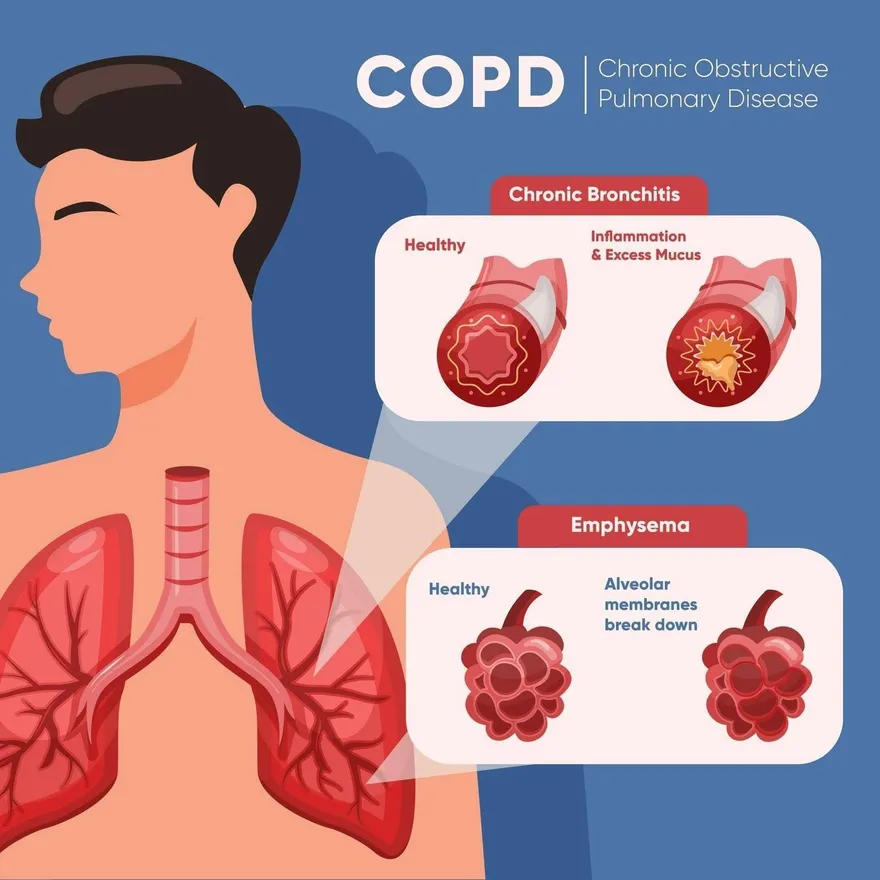
This article is educational and is not medical advice. Diagnosis and treatment decisions belong with your physician.
Chronic obstructive pulmonary disease progresses gradually, and oxygen therapy enters the picture at a specific, measurable point. Understanding the stages helps you have better conversations with your care team.
The four GOLD stages
Clinicians grade COPD using the GOLD system, based on FEV1 — the volume of air you can force out in one second, compared to predicted values:
- Stage 1 (Mild): FEV1 ≥ 80% predicted. Often mistaken for "smoker's cough." Oxygen therapy is rarely needed.
- Stage 2 (Moderate): FEV1 50–79%. Breathlessness on exertion becomes noticeable; pulmonary rehab often begins here.
- Stage 3 (Severe): FEV1 30–49%. Exacerbations become frequent. Some patients begin supplemental oxygen during activity or sleep.
- Stage 4 (Very severe): FEV1 < 30%, or < 50% with chronic respiratory failure. Long-term oxygen therapy is commonly prescribed.
The numbers that trigger an oxygen prescription
Doctors prescribe long-term oxygen based on blood oxygen, not stage alone — typically a resting SpO₂ at or below 88%, or an arterial PaO₂ at or below 55 mmHg (thresholds adjust for heart conditions and other factors). Some patients only desaturate during exertion or sleep, which is why overnight and walking oximetry tests matter.
What starting oxygen therapy looks like
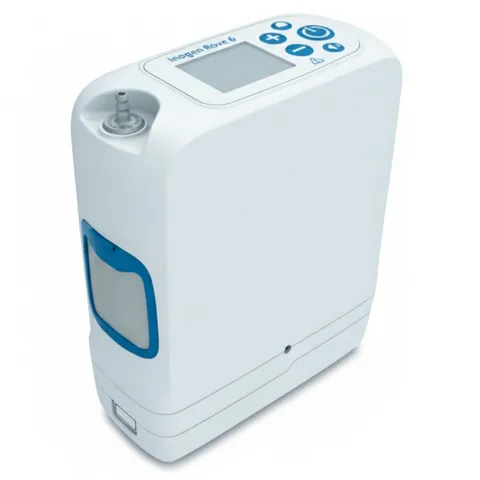
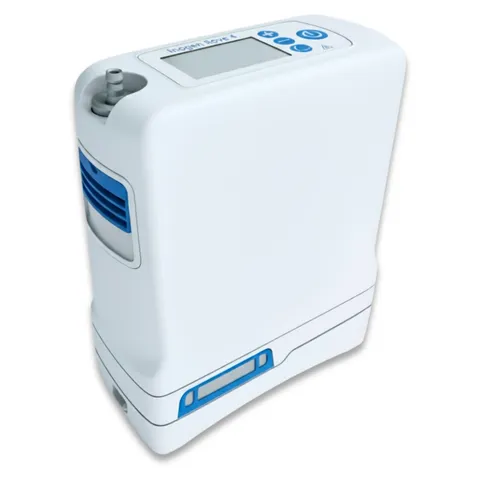
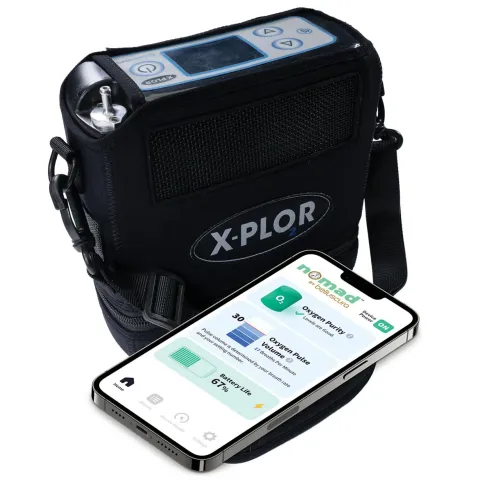
A prescription specifies your flow setting and daily duration. Used as directed, supplemental oxygen reduces strain on the heart, improves sleep and mental clarity, and — in landmark studies of severely hypoxemic patients — extends life. Modern portable concentrators mean the "tethered to a tank" era is over: today's units weigh 3–5 lbs and board commercial aircraft.
Act early, breathe longer
If you notice increasing breathlessness, get spirometry — COPD caught at stage 2 gives you far more options than stage 4. And if oxygen has been prescribed, our specialists at (888) 585-8288 can match your prescription to the right equipment.